In-Stock vs Pre-Order Anime Figures: Which Should Collectors Buy?
Collectors usually ask this question when they are staring at two versions of the same temptation. One listing is available now, often from a reseller or from leftover retail stock. The other is a pre-order window that asks for patience, trust, and a decision before the figure is physically in hand. If you are comparing in stock vs pre order anime figures, the right choice depends less on hype and more on what kind of buyer you are, how risky the release feels, and how much uncertainty you can tolerate.
Pre-order anime figures are not automatically the smarter buy, and buying anime figures in stock is not automatically safer. Pre-orders can protect you from sellouts, aftermarket spikes, and allocation problems. In-stock purchases can protect you from long delays, changed expectations, and tying up money for months. The best decision comes from understanding what each option really solves.
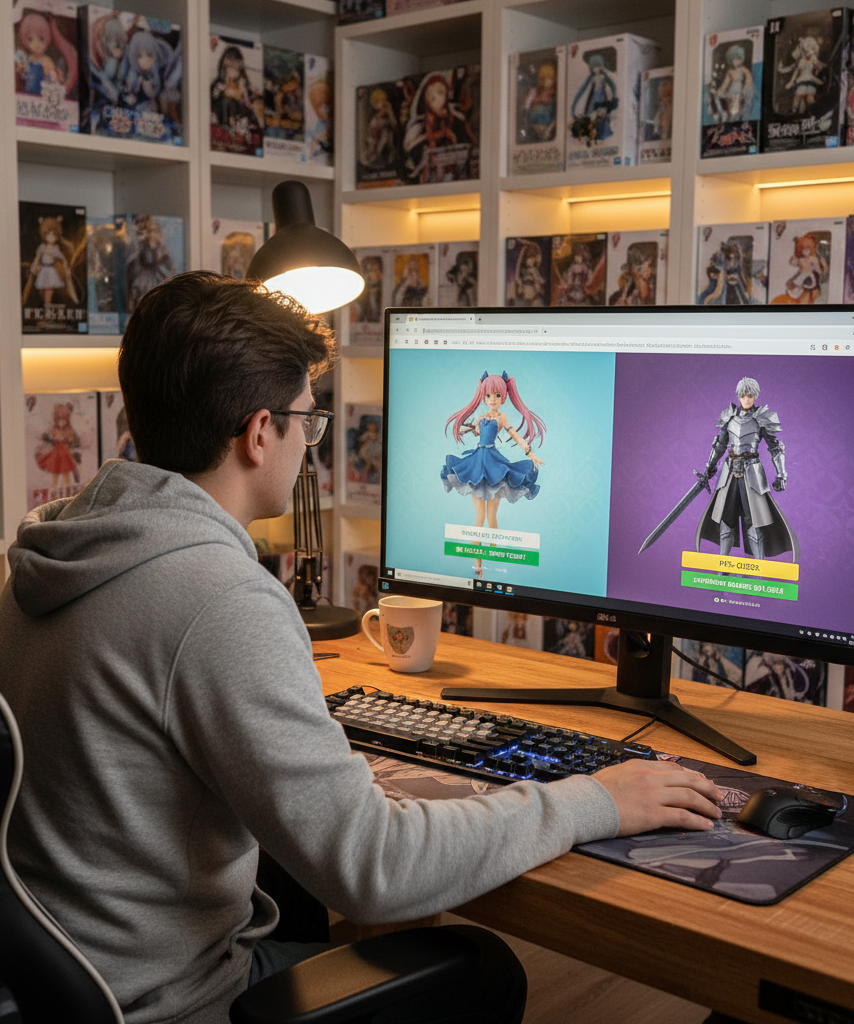
Why This Decision Matters More Than It Looks
For newer collectors, the choice can sound simple: if you want the figure now, buy in stock; if not, pre-order it. In reality, availability changes the whole purchase equation. It affects price, counterfeit risk, stock certainty, shipping timing, cash flow, and the chance that you will be forced into the aftermarket later.
That is why in stock vs pre order anime figures is really a buying-strategy question. You are deciding whether to secure future supply or judge finished inventory with more information. Neither path is universally better. Each is better under different market conditions.
What Pre-Order Actually Protects You From
Pre-orders exist because anime figures are not restocked like ordinary mass-market products. Many scale figures, limited runs, and special editions are produced in controlled quantities. When that production window closes, the easiest buying opportunity may disappear with it.
Sellouts on High-Demand Releases
If a figure is tied to a popular character, a major franchise, a favorite sculptor, or a manufacturer with a strong reputation, pre-ordering can be the safest move. Waiting for release-day inventory sounds reasonable until you discover that retail stock was mostly allocated before launch.
Pre-ordering helps protect you from:
- missing the primary retail window
- sudden aftermarket price jumps
- store allocation cuts on popular releases
- panic buying once review photos start circulating
- hunting across multiple shops after the cleanest inventory is gone
This matters most for collectors who already know they want the piece and are not treating the purchase as a maybe.
Aftermarket Inflation
One of the strongest arguments for pre order anime figures is price control. If a figure lands well with collectors, the aftermarket can move quickly. Even a release that looked easy to buy six months earlier can become noticeably more expensive once stock dries up.
Pre-ordering does not guarantee the lowest price in every case, but it often gives you the most predictable one. That predictability matters when you collect at larger scales or buy from lines where sellouts are common.
Cleaner Retail Supply
A pre-order from a trustworthy shop usually gives you a cleaner supply chain than a scramble for leftovers after launch. Instead of hunting uncertain listings later, you are reserving inventory before scarcity pressure distorts the market.
When In-Stock Is Safer
There are plenty of situations where buying anime figures in stock is the smarter decision. In-stock listings remove a layer of uncertainty because you are evaluating something that has already reached release.
You Can Judge the Final Product, Not Just Promo Photos
Prototype photos, manufacturer renders, and announcement images do not always tell the whole story. Paint quality, face accuracy, color balance, seam visibility, and base design can all look different in real owner photos.
Buying in stock is safer when you want to verify:
- how the final paintwork actually turned out
- whether the likeness matches expectations
- if early buyers reported breakage, leaning, or assembly problems
- how big the figure really looks on a shelf
- whether the release earned positive collector feedback after launch
For cautious buyers, this extra visibility is a serious advantage.
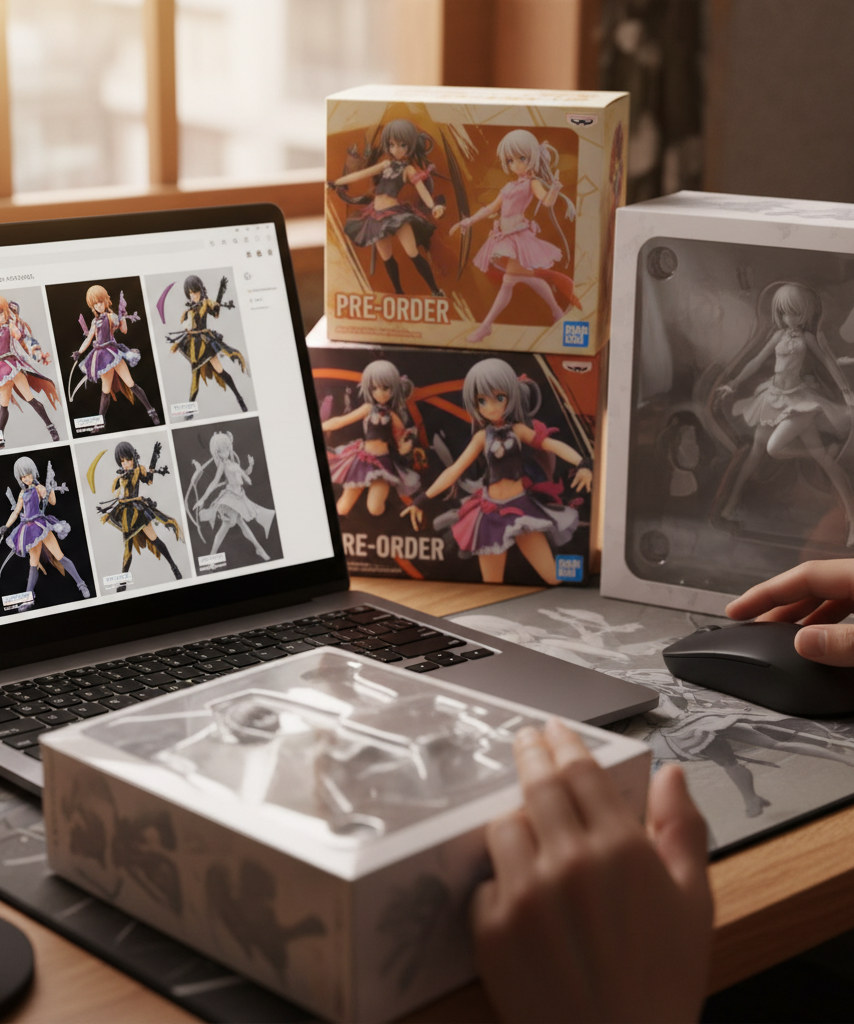
You Want More Control Over Cash Flow
Pre-orders can tie up part of your budget for months, especially if you place several reservations close together. Even when a store charges later rather than upfront, future payment timing can stack up in uncomfortable ways.
An in-stock purchase is safer if you want to:
- avoid committing money too far ahead
- limit how many pending figure orders you are carrying
- keep flexibility for surprise releases or resale opportunities
- buy only when the item is physically available and ship-ready
Collectors with tighter monthly budgets often do better when they reduce long lead-time commitments.
You Suspect the Figure May Undersell
Not every release explodes. Some remain easy to find after launch, and some even soften in price once the first wave of excitement passes. If the figure belongs to a broad line, has weaker demand signals, or feels less likely to vanish instantly, waiting for in-stock availability can be a rational play.
Price, Sellout, and Allocation Differences
The biggest practical difference between in-stock and pre-order buying is not speed. It is risk distribution.
Pre-Order Shifts Risk Toward Waiting
When you pre-order, you accept waiting risk in exchange for supply protection. Your tradeoff looks like this:
- you may wait months for fulfillment
- release dates may move
- final product quality may still surprise you
- store allocation or fulfillment timing can still vary
- but your odds of missing the figure entirely are lower
In-Stock Shifts Risk Toward Availability and Price
When you wait for stock, you get more information but usually less certainty. Your tradeoff becomes:
- you can inspect final photos and reviews
- you know the release is real and shipping
- you may avoid weak launches
- but you may pay more
- and you may have fewer trustworthy sellers left to choose from
For highly wanted figures, this is where hesitation becomes expensive.
Allocation Problems Matter More Than Many Buyers Expect
Collectors sometimes assume that if they pre-order, the result is guaranteed. Usually it is the best move, but not every retailer handles allocations equally well. A store may receive less stock than expected, push some orders into a later wave, or delay certain shipments.
That does not make pre-ordering a bad idea. It just means the quality of the shop matters as much as the timing model. Reserve with sellers that communicate clearly and have a stable reputation for handling release waves properly.
Risks of Waiting Too Long
The classic mistake is treating a clearly popular figure as if it will still be easy to buy later. Sometimes it is. Often it is not.
Warning signs that waiting may backfire include:
- major franchise popularity
- strong manufacturer reputation
- attractive sculpt or exclusive bonus appeal
- heavy collector discussion before release
- historically strong aftermarket behavior for similar figures
- limited-run or premium-format positioning
If several of those signals are present, waiting for an in-stock listing can turn a normal retail purchase into an overpriced chase.
There is also a second risk: once a release leaves the most reliable stores, your remaining options can get worse. You may end up choosing between inflated resale listings, uncertain overseas stock, or listings with weaker condition and seller transparency.
Who Should Pre-Order vs Who Should Hunt In-Stock Listings
The best answer depends on collector type.
Pre-Order Is Usually Better For
Pre-order is often the right move if you:
- collect specific characters or lines with low tolerance for missing releases
- already know the figure fits your collection plan
- are buying a high-demand or likely sellout piece
- want the most predictable retail-stage price
- are comfortable waiting for release
- trust the store handling your reservation
In-Stock Is Usually Better For
Buying anime figures in stock is often better if you:
- want to judge the finished figure before committing
- are selective about paint quality or final likeness
- need tighter control over spending timing
- are buying a figure with softer demand expectations
- prefer low-uncertainty purchases over launch-window reservations
- are willing to search patiently if a release remains available
Hybrid Buyers Usually Make the Smartest Calls
Many experienced collectors use both strategies instead of treating one as universally correct. They pre-order high-risk sellout items and wait on uncertain or lower-priority releases. That hybrid approach usually beats emotional buying because it matches the timing choice to the actual risk profile of the figure.
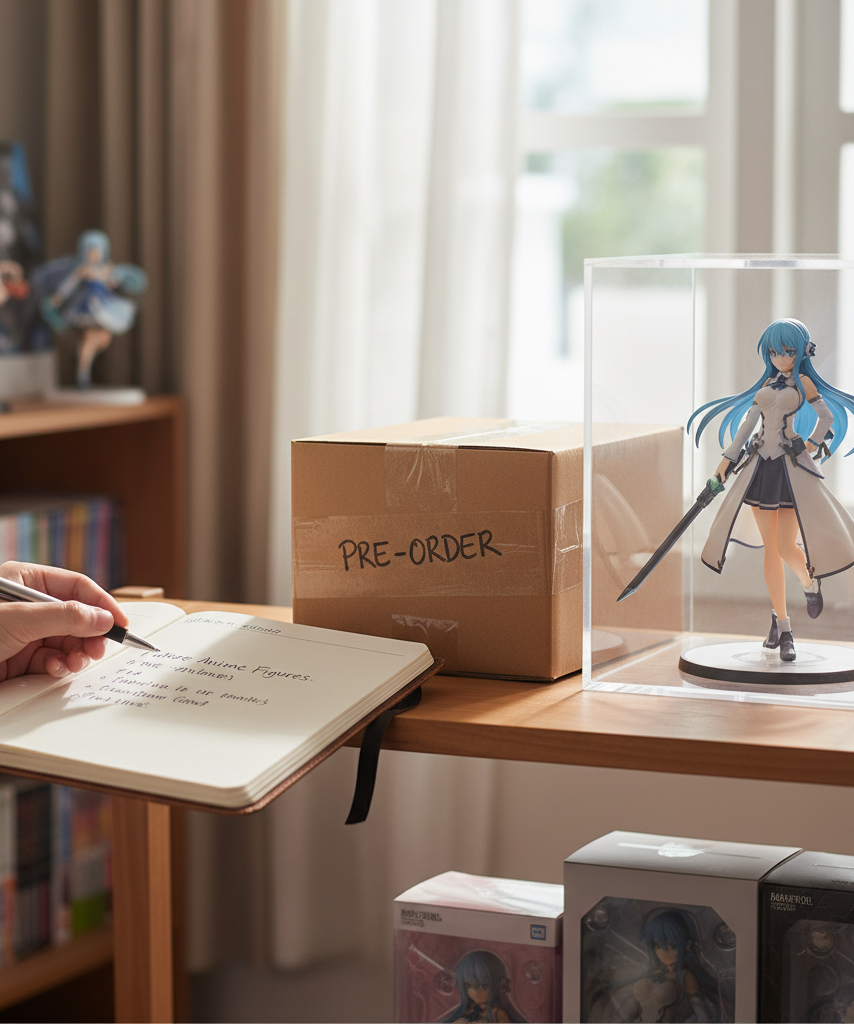
A Simple Decision Framework Before You Buy
If you are unsure, ask yourself these five questions before deciding:
Would I be genuinely annoyed if this sold out before I decided? If yes, lean toward pre-order.
Do I need final owner photos to trust this release? If yes, lean toward in-stock.
Is this figure attached to a line that usually spikes after launch? If yes, pre-order becomes more attractive.
Am I okay locking part of my budget until release? If no, in-stock may be safer.
Am I buying from a retailer I trust to handle allocations and communication well? If no, either choose a better shop or wait more carefully.
This framework turns the choice into a practical decision instead of a fear-of-missing-out reaction.
Final Answer: In-Stock vs Pre-Order Anime Figures
For most collectors, pre-order is the better choice when the figure is high-demand, easy to miss, or likely to become more expensive after release. In-stock is the better choice when you want to see the final product first, reduce long waiting risk, and keep more control over your budget.
So which should collectors buy? Buy pre-order anime figures when supply risk is the bigger threat. Buy anime figures in stock when uncertainty about quality, timing, or budget matters more. The smartest collectors do not pick one side forever. They match the buying method to the release.