How to Ship Anime Figures Safely Without Damage, Paint Transfer, or Box Wear
Shipping a collectible is not the same as shipping an ordinary household item. Anime figures have fragile sculpt details, paint finishes that can rub under pressure, and packaging that many collectors value almost as much as the figure itself. If you want to know how to ship anime figures safely, the real goal is not just getting the item to arrive. The goal is getting it there without broken parts, paint transfer, crushed corners, or avoidable box wear that reduces collector confidence.
This matters whether you are selling a figure, sending one to another collector, packing pieces for a long-distance move, or mailing a high-end statue that cost far too much to trust to wishful thinking. Good packing is basically damage prevention by layers. Every layer should solve a specific risk.
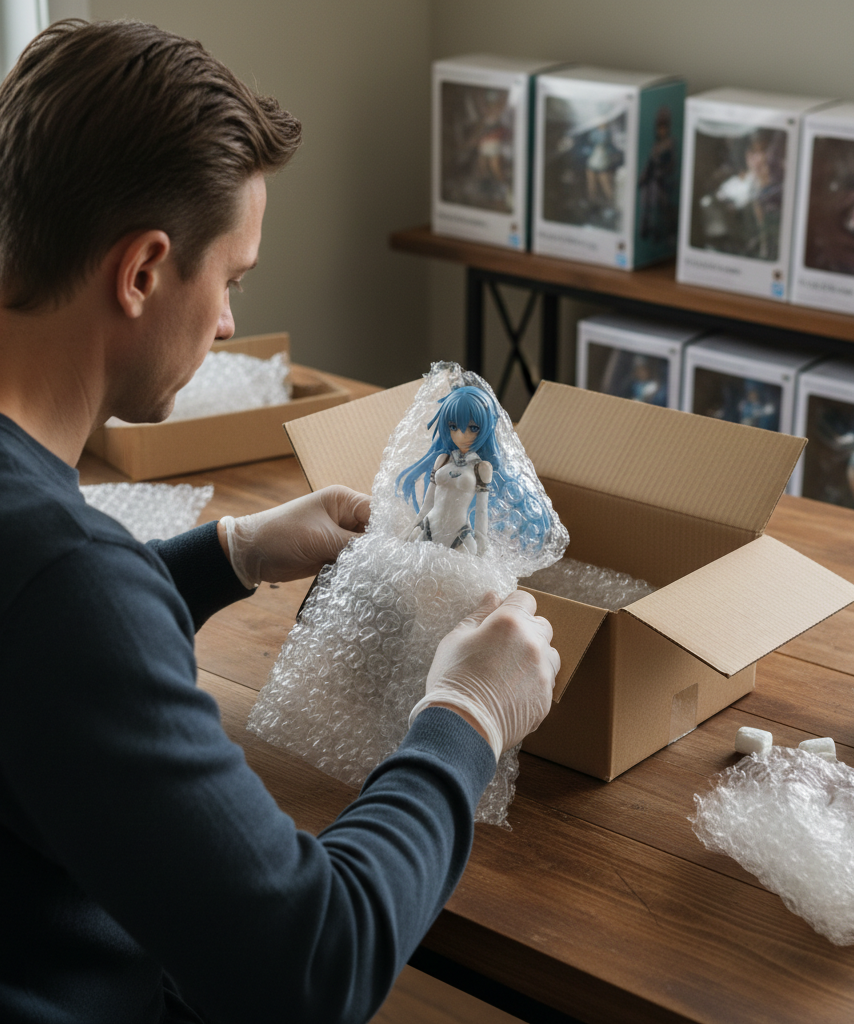
Biggest Shipping Risks for Figures and Statues
Before choosing materials, it helps to know what actually damages figures in transit. Most anime figure shipping damage does not come from one dramatic event. It comes from pressure, movement, and repeated impacts during handling.
The biggest risks are usually:
- thin parts snapping from internal movement
- paint transfer caused by rubbing or tight contact
- blister trays cracking under compression
- box corners crushing from weak outer packaging
- loose accessories bouncing around inside the package
- moisture or humidity exposure during long transit windows
- heavy resin or large-scale pieces shifting and stressing joints
Once you understand those failure points, packing decisions become much easier. You are not just wrapping an item. You are controlling movement and reducing contact stress.
Start With the Figure’s Actual Condition and Packaging State
The safest method depends on whether the figure is sealed in its original blister packaging, displayed loose, or partially disassembled. A sealed retail package usually needs protection around the product box and stronger outer-box buffering. A loose displayed figure needs much more direct component protection.
Before packing, check:
- whether the figure has removable parts, effect pieces, or alternate hands
- whether any thin sections already feel stressed or loose
- whether the original blister still holds the figure securely
- whether the original product box has empty space that could allow internal shifting
- whether the recipient expects mint-box collector condition
That last point matters. If box wear affects value for the buyer, your packing standard needs to protect the product box as a collectible surface, not just as a container.
How to Wrap Blister Boxes and Loose Pieces
Sealed or Complete Boxed Figures
If the figure is still in its original blister box and the internal tray holds everything firmly, do not overcomplicate it. Your job is to protect the retail box from impact and compression.
Use this packing order:
place the product box inside a clean plastic sleeve or soft bag if moisture protection is needed
wrap the product box with a soft non-abrasive layer if the finish is delicate
add a full bubble-wrap layer around the box without crushing corners
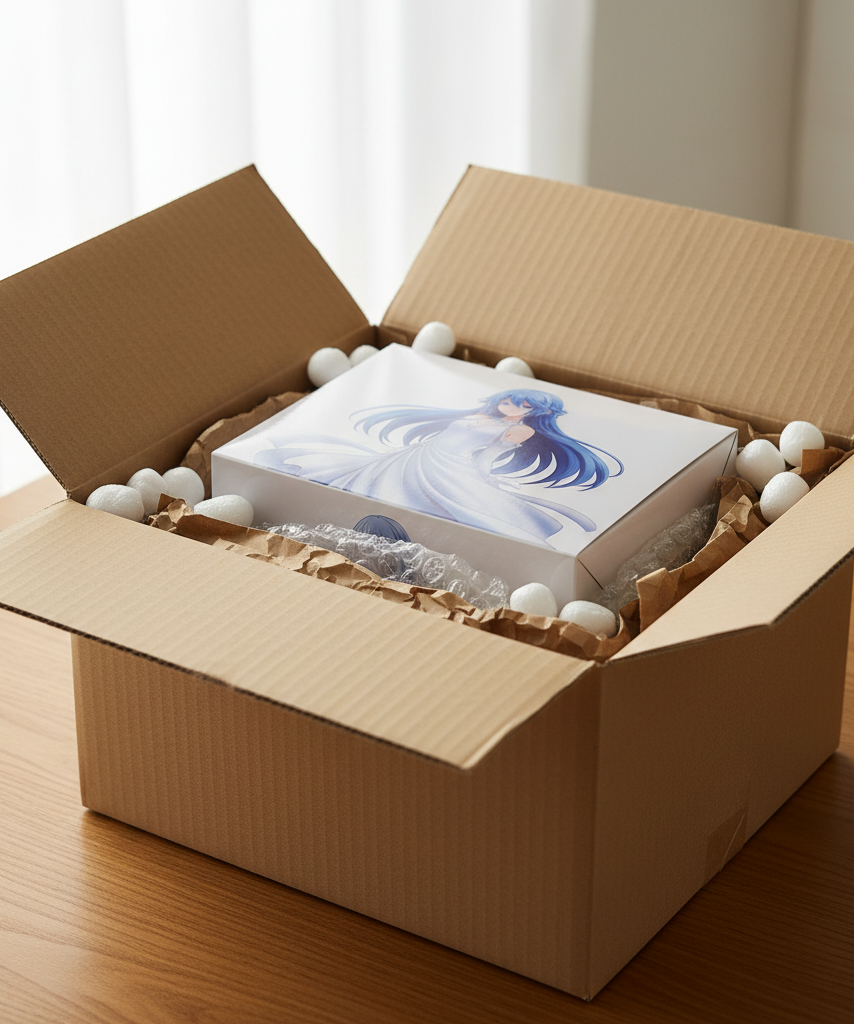
place it inside a shipping carton with space on every side for cushioning
fill all empty space so the boxed figure cannot slide or rotate
The mistake many people make is putting the retail box directly into a shipping carton with minimal padding. That usually leads to corner dings and edge wear even if the figure itself survives.
Loose Displayed Figures
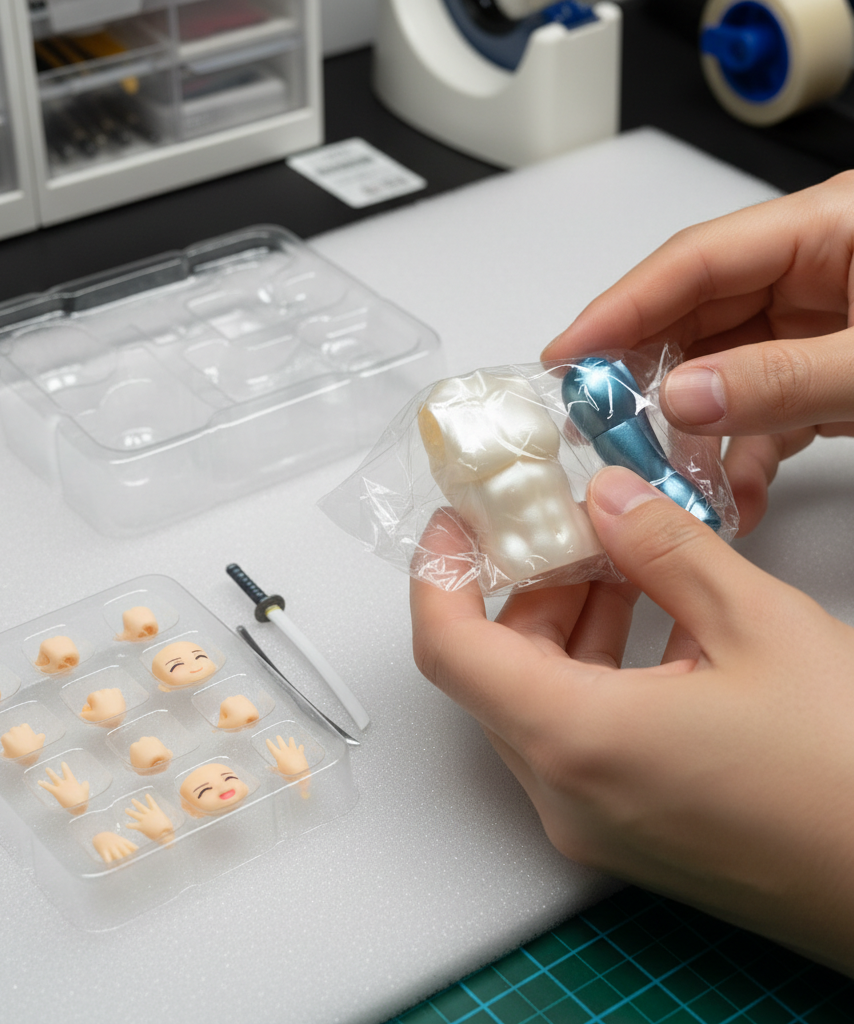
Loose figures need a slower approach. Remove detachable parts whenever doing so reduces leverage on fragile joints. Weapons, wings, effect parts, stand arms, and alternate faceplates should usually be wrapped separately.
For loose pieces:
- wrap each removable part individually
- keep painted surfaces from rubbing directly against harder plastic parts
- use small bags or soft wrapping to separate accessories
- avoid letting sharp pieces press against the main body during transit
- stabilize the main figure so weight does not rest on one delicate limb
If the original blister tray is available and still fits well, it is often the safest home for the figure during transit. If not, create a soft, immobile nest inside the shipping box rather than letting the figure float in loose fill.
Preventing Paint Transfer and Broken Parts
Paint transfer is one of the most frustrating problems because it can happen even when nothing technically breaks. Smooth painted surfaces can rub against blister plastic, another accessory, or a pressure point inside the package. Long travel time and heat can make that worse.
Keep Painted Surfaces From Rubbing Under Pressure
If you are shipping a loose figure or a figure with parts removed from the blister, do not let painted sections press directly against each other. Use soft, clean interleaving material between risky contact points. The key idea is separation without friction.
Good habits include:
- separating faceplates from harder accessories
- keeping hair tips and sharp sculpt points from pressing into the body
- avoiding overly tight wrap that forces painted areas together
- making sure the figure cannot vibrate inside the final box
Protect Thin Parts From Leverage
Broken parts often happen because a piece is allowed to act like a lever. A ponytail, sword, wrist peg, or wing tip may survive light movement, but not repeated force from a figure shifting in the box.
That is why fragile sections should either be removed and wrapped separately or stabilized so they are not taking load during shipment. This is especially important for statues, resin pieces, and dynamic poses with extreme protrusions.
Be Careful With Tape Placement
Never let adhesive touch painted figure surfaces, blister windows, or collector box artwork directly. Tape belongs on outer wrapping, accessory bags, or the shipping materials themselves. One careless strip can create cosmetic damage that is much more annoying than a dented carton.
Outer-Box Protection and Void Fill
The outer shipping box is where most people either save the shipment or doom it.
Use a Box With Real Crush Margin
Choose a sturdy carton that leaves room for padding on all sides. If the shipper is too tight, any impact goes straight into the product box. If it is too large and underfilled, the contents can slam around internally.
A good outer box should:
- be strong enough for stacking pressure
- leave cushioning space around the item
- fit the packed figure snugly after void fill is added
- avoid forcing the product box against one side wall
Fill Empty Space Completely
Void fill is not there to make the box look full. It is there to stop movement. Once the packed figure is inside, shake the carton gently. If anything shifts, you still have a problem to solve.
Effective void-fill logic means:
- cushioning all six sides
- blocking rotation as well as forward-back movement
- supporting corners and edges for boxed figures
- avoiding direct hard pressure on delicate sculpt areas
Double Boxing for Premium Pieces
For expensive scales, large statues, or collector-grade packaging where box condition matters, double boxing is often worth it. The inner box protects the item. The outer box absorbs distribution abuse.
This is one of the most reliable ways to reduce anime figure shipping damage when the item is valuable enough that minor cosmetic harm would still be a bad outcome.
How Box Wear Affects Collector Value
Some buyers only care whether the figure arrives intact. Many collectors care about the box too. Corner compression, window creases, crushed flaps, punctures, and shipping-label residue can all reduce perceived value, especially for sealed pieces or collectible lines where presentation matters.
Box wear matters more when:
- the figure is being sold as new or unopened
- the buyer specifically wants display-grade packaging
- the line has strong resale sensitivity
- the item includes limited or bonus packaging elements
- the figure is intended for long-term collection rather than casual display only
If the box is part of the value, pack for box preservation on purpose. That usually means cleaner inner wrapping, stronger edge protection, and a more conservative outer carton choice.
A Practical Packing Checklist Before You Seal the Box
Before closing the shipment, confirm these points:
- the figure or product box cannot move inside the package
- fragile parts are not taking direct load
- painted surfaces are not rubbing against hard contact points
- accessories are separated and labeled logically for the recipient
- the outer carton has padding on all sides
- moisture risk is addressed if transit may be long or humid
- the box closes naturally without crushing the contents
If one of those checks fails, fix it before sealing. Repacking for five more minutes is cheaper than dealing with a damaged collectible and an unhappy collector later.
Final Answer: How to Ship Anime Figures Safely
The safest way to ship anime figures is to control movement, separate fragile or painted contact points, protect the retail box if it has collector value, and use a sturdy outer carton with complete void fill. For premium or fragile pieces, double boxing is often the smartest option.
If you are serious about how to ship anime figures safely, think in layers: protect the figure, protect the product box, then protect everything from impact in the shipping carton. That is how you avoid broken parts, paint transfer, and box wear instead of just hoping the carrier is gentle.