Does Box Condition Matter for Anime Figures? A Collector’s Value Guide
For many collectors, the answer is yes—but not always in the same way. Anime figure box condition affects resale value, buyer confidence, giftability, and how safely a figure can be stored, yet the importance of the box changes depending on whether someone is a sealed-box collector, a display-first buyer, or a bargain hunter focused mainly on the figure itself.
If you are comparing listings and wondering how much box wear really matters, this anime figure box condition guide breaks down what collectors typically mean by mint, good, damaged, and missing-box condition—and when paying extra for a cleaner package is actually worth it.
Why Anime Figure Box Condition Matters More for Some Buyers Than Others
Not every collector values packaging the same way. That is why box condition can feel like a major issue in one sale and a minor footnote in another.
Sealed-box and resale-minded collectors care the most
Collectors who keep figures sealed usually view the box as part of the product, not just a container. A crisp outer box, intact tape, sharp corners, and clean window panels help support the feeling that the item has been preserved well. In resale markets, strong packaging also makes it easier for buyers to trust that the figure was handled carefully.
For these buyers, anime figure box condition matters because the box contributes to:
- perceived completeness
- confidence in storage history
- confidence in shipping safety
- future resale flexibility
- presentation value for high-end or limited items
Display-first collectors often care less
If a buyer plans to open the figure and display it immediately, the figure itself usually matters more than a slightly creased carton. Minor shelf wear, soft corners, small dents, or light scuffs may not justify a major discount to that buyer—but they still influence how confidently the person can assess the seller and the item.
In other words, box condition may not be the main reason a display collector buys a figure, but it still affects trust.
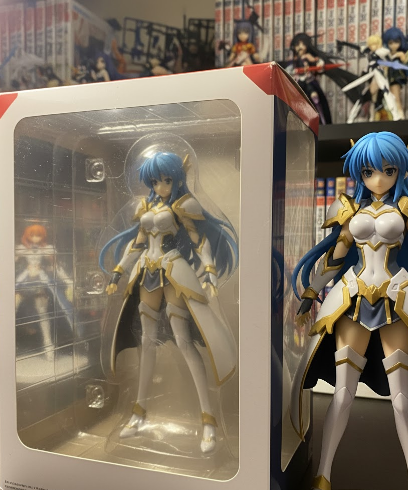
Premium and limited releases are judged more strictly
The more expensive, rare, or giftable a figure is, the more closely buyers inspect the packaging. On premium scale figures, collector editions, or limited releases, visible box damage can have a larger effect because buyers expect stronger preservation standards.
That does not mean every imperfect box kills value. It means the tolerance gets tighter as the item becomes more collectible, more expensive, or more likely to be resold.
Anime Figure Box Condition Ratings: Mint, Good, Damaged, and Missing Box
A practical anime figure box condition rating system helps buyers and sellers stay on the same page. While marketplaces do not all use identical language, the following framework is a solid collector-friendly baseline.
Mint box condition
A mint or near-mint box usually means:
- sharp edges and corners
- no major dents, crushing, or tears
- clean window plastic with minimal scratching
- little to no discoloration, sticker residue, or sun fading
- inserts, trays, and protective materials still present when expected
For boxed collectors, this is the gold standard. It usually supports the strongest buyer confidence and the highest resale expectations.
Good box condition
A good box is still presentable and structurally sound, but it shows ordinary handling or storage wear. That may include:
- light corner softening
- small surface scuffs
- minor creasing
- slight edge whitening
- a few pressure marks that do not affect structural integrity
This is often the sweet spot for practical collectors. The packaging is complete and respectable, but the price may be a bit more forgiving than a near-mint example.
Damaged box condition
A damaged box usually includes more visible or more serious flaws, such as:
- crushed corners
- deep dents
- torn flaps
- peeling surfaces
- cracked window plastic
- water exposure or staining
- strong fading or sun damage
- tape damage, label residue, or writing on the box
At this stage, anime figure value with damaged box starts to separate sharply by buyer type. Display buyers may accept the trade-off if the figure itself is excellent. Sealed-box collectors, gift buyers, and resale-minded collectors usually expect a clearer discount.
Missing-box condition
A missing-box figure is generally worth less than a complete one, even if the figure is authentic and visually clean. The reason is not only aesthetics—it is also about confidence and protection.
Without the original box, buyers lose:
- the easiest storage solution
- original inserts that reduce breakage risk
- confidence about completeness
- some assurance during shipping
- part of the item’s collector appeal
For common prize figures, the missing box discount may be manageable. For premium scale figures or limited editions, a missing box can affect buyer interest much more heavily.
How Box Condition Affects Resale Value, Buyer Confidence, and Giftability
Collectors often ask whether packaging damage changes the market price or just the presentation. In practice, it usually changes both.
Resale value drops when uncertainty increases
A clean box signals care, while a rough box creates questions. Buyers may wonder whether the figure was exposed to moisture, sunlight, rough handling, smoke, or poor storage conditions. Even when the figure is perfectly fine, damaged packaging introduces friction.
That friction can reduce resale value because:
- fewer buyers are willing to compete for the item
- collectors expect room for future resale risk
- shipping feels riskier without sturdy original inserts
- condition disputes become more likely
The rarer the figure, the more those concerns can matter.
Buyer confidence is often more important than the cardboard itself
This is the part many newer collectors miss. Packaging is not only about collecting purity—it is also evidence. A box with matching branding, appropriate inserts, clean seals where relevant, and believable wear patterns helps a listing feel safer.
That does not make box condition the same thing as authenticity. But strong packaging condition can still support buyer confidence, while messy or incomplete packaging can increase hesitation.
Giftability depends heavily on presentation
If someone is buying a figure as a gift, box condition matters much more than it might for a personal display purchase. Even a legitimate, undamaged figure can feel less giftable if the packaging is crushed, stained, heavily taped, or obviously worn.
That is why collector box condition often carries an emotional premium: people are not just paying for cardboard, they are paying for presentation and peace of mind.
When Collectors Can Safely Prioritize the Figure Over the Box
There are absolutely times when the figure itself should matter more.
Open-display buyers can accept moderate wear
If your goal is to display the figure, a good discount on an otherwise excellent piece can make sense. Moderate outer-box wear is often acceptable when:
- the figure is authentic
- paint quality is clean
- joints or assembly points are intact where relevant
- accessories are complete
- the seller documents the actual damage clearly
In that situation, paying less for a worn box can be a smart move rather than a compromise.
Common releases are less sensitive than scarce collector pieces
Mass-market prize figures, more common pop-up releases, or widely available mid-range figures usually have a softer penalty for box wear. Scarcity changes the equation. The harder a figure is to replace in equally complete condition, the more the box tends to matter.
Your own collecting style should decide the premium
A collector who never resells and never keeps boxes on display should not automatically pay near-mint packaging premiums just because someone else would. On the other hand, if you rotate displays, move often, or sell pieces later, the original box has practical value beyond aesthetics.
A simple rule helps: if you will use the box later for storage, transport, resale, or gifting, it deserves more weight in your buying decision.
How Sellers Should Describe Box Wear Clearly
Good listings reduce confusion before it starts. If you are selling a figure, describe the box separately from the figure instead of blending both into one vague condition line.
Separate figure condition from packaging condition
A strong listing should clarify:
- figure condition
- accessory completeness
- box condition
- insert or blister condition
- whether the item was opened, displayed, or stored
- any odors, fading, dents, tears, tape damage, or stains
This gives buyers a fair way to judge anime figure resale value without guessing.
Use plain language, not soft evasive wording
Instead of saying “box has slight wear” for every situation, say what is actually wrong. Buyers trust precise descriptions such as:
- top-right corner dented
- window panel scratched
- back panel has a 3 cm crease
- inner blister included and intact
- original box included but bottom flap torn
Specificity lowers dispute risk and makes serious buyers more comfortable.
Photos should show the worst areas on purpose
If the box has visible flaws, include close photos of them. Hiding wear usually backfires. Serious collectors assume the unseen areas are worse.
A clean condition presentation should include:
- front of box
- back of box
- all major corners
- top and bottom panels
- inserts or blister tray if relevant
- close-ups of every meaningful flaw
Final Verdict: Does Box Condition Matter for Anime Figures?
Yes—anime figure box condition matters, but its impact depends on the buyer, the figure tier, and the intended use. For sealed-box collectors, premium releases, gifts, and resale-focused purchases, the box can meaningfully affect value and confidence. For display-first collectors, moderate wear may be completely acceptable if the figure itself is authentic, complete, and priced accordingly.
The smartest approach is not to treat every damaged box as a deal-breaker or every mint box as worth a premium by default. Match the condition premium to your actual collecting goals. If the box supports storage, resale, or presentation, it matters more. If you only care about the figure on the shelf, the right discount can matter more than the cardboard.