Anime Figure Aftermarket vs Re-Release: When Should Collectors Pay Resale Prices?
Collectors should pay aftermarket prices only when a figure has low re-release odds, proven long-term demand, and clear authenticity verification; in most other cases, waiting for an anime figure re-release lowers both cost and risk. That is the core value rule behind the anime figure aftermarket vs re-release decision.
In plain terms, pay resale only when scarcity looks durable and the figure still fits your budget even if a re-release never happens. If the figure feels merely hard to find right now, rather than truly hard to reissue, waiting is usually the smarter collector move.
Quick Answer: When Aftermarket Buying Makes Sense
Here is the short version:
- buy on the aftermarket when the figure has strong collector demand, low re-release probability, and a verified seller with complete condition details
- wait for a re-release when the current resale premium is driven mostly by short-term hype, recent sell-out panic, or uncertain availability rumors
- avoid rushing if the figure is expensive enough that a wrong call will distort the rest of your collecting budget
Risk vs Reward Table
| Situation | What it suggests | Better move | Why |
|---|---|---|---|
| Trusted seller, sealed or well-documented used copy, no realistic re-release signals | Scarcity may be durable | Buying aftermarket can make sense | You may be paying for a real access window, not just temporary hype |
| Figure sold out recently and prices jumped fast | Market may still be emotional | Wait first | Early resale prices are often inflated by FOMO rather than stable value |
| Manufacturer has re-release history for similar lines or characters | Reissue risk is meaningful | Waiting is usually smarter | A re-release can reset resale prices and reduce authenticity risk |
| Box condition, authenticity, or part completeness is unclear | Hidden downside risk is high | Do not rush | Bad condition or fake stock can erase any perceived value advantage |
| You would regret missing the character more than paying the premium | Personal value is high | Aftermarket may be justified | Collector demand is personal, not purely financial |
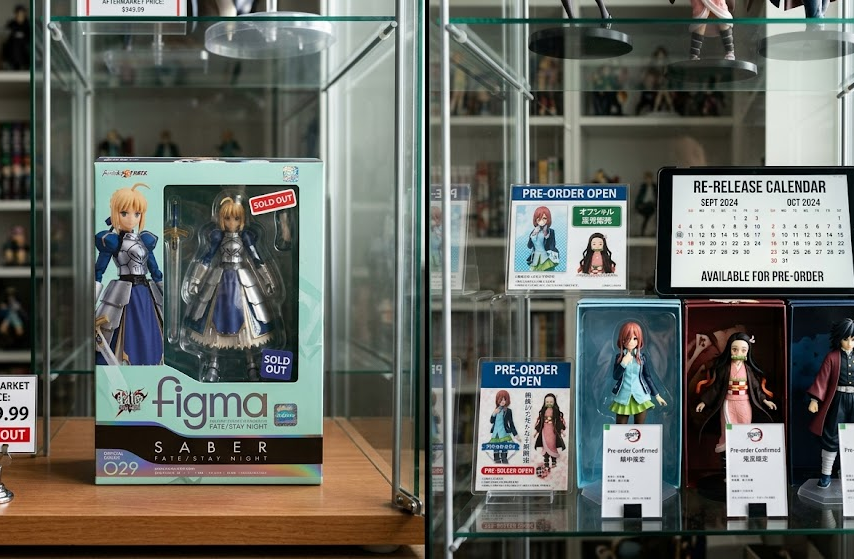
What the Anime Figure Aftermarket Is
The anime figure aftermarket is the resale market that appears after the original retail sale window closes. Once pre-orders end, stock disappears, and regular store listings dry up, collectors begin buying and selling through secondary channels at prices that may be lower, equal to, or much higher than the original retail price.
That matters because aftermarket and re-release are not opposites in name only. They represent two very different kinds of risk:
- the aftermarket exposes you to resale prices, authenticity risk, and condition uncertainty
- a re-release exposes you to timing uncertainty, possible design or packaging changes, and the chance that no reissue arrives at all
If you want the broader release-side context, our anime figure re-release vs first release guide explains how official reissues differ from original runs.
How Re-Releases Change Pricing Risk
A re-release can dramatically change the logic behind anime figure resale prices. The moment a manufacturer announces a fresh run, the market often stops treating the figure as a scarce asset and starts treating it as delayed inventory.
That is why collectors who buy too early in the aftermarket often feel burned. They did not necessarily choose the wrong figure; they just paid a scarcity premium before scarcity was proven.
Why re-releases pressure resale prices
- they increase supply or at least future expected supply
- they reduce panic buying among collectors who missed the first wave
- they make comparison shopping easier because buyers can weigh a known future retail price against current resale prices
- they shift some demand away from flippers and back toward official channels
Why re-releases do not always erase the premium
A re-release is not an automatic guarantee that resale collapses to retail. Some figures keep strong premiums because:
- the character remains highly popular for years
- the line has a reputation for selling out repeatedly
- the aftermarket copy is an original release version some collectors still prefer
- the re-release quantity is too small to satisfy demand
Signs a Resale Premium May Be Justified
Paying resale can be rational when the premium reflects durable collector demand rather than temporary anxiety.
Good signs that buying now may be worth it
- the manufacturer has no clear pattern of re-releasing similar figures or this specific line
- the character, sculpt, or pose has unusually strong long-term appeal among collectors
- resale prices have stayed elevated for a long time instead of spiking only after sell-out week
- the seller provides clear photos, proof of authenticity, and honest notes about box condition and part completeness
- the premium is painful but still realistic inside your collecting budget
A practical value threshold
There is no universal percentage that makes an anime figure aftermarket purchase automatically good or bad. Still, many collectors make better decisions when they ask three threshold questions:
- Would I still feel okay about this price if no re-release happens within a year?
- Would I feel foolish paying this price if a re-release were announced next month?
- Is this premium buying certainty, or just buying relief from impatience?
If your honest answers point toward durable demand and personal importance, resale may be justified. If they point toward fear of missing out, waiting is usually the better call.
Signs Waiting Is Smarter
Most sold out anime figures are not equally rare. Some are genuinely hard to replace. Others are just between retail cycles.
Waiting is usually smarter when these signals appear:
- the figure sold out recently and the market has not had time to stabilize
- the brand often does re-releases for popular characters, scales, or anniversary lines
- the current premium would force you to give up several other planned purchases
- authenticity risk is high because listings are vague, low-photo, or too cheap to trust
- you care more about owning the character eventually than about owning it immediately
Pros and cons of waiting for a re-release
Pros
- lower cost if supply returns near retail pricing
- lower authenticity risk through official channels
- better chance of receiving a clean box and complete accessories
- less pressure to make a rushed judgment call
Cons
- no guarantee the re-release actually happens
- you may wait a long time with no announcement
- reissue batches can still sell out quickly
- some collectors prefer the original release packaging or timing
Collectors who struggle with timing decisions may also want to read when do anime figure pre-orders sell out, because early sell-out behavior often helps explain whether a premium is temporary or structural.
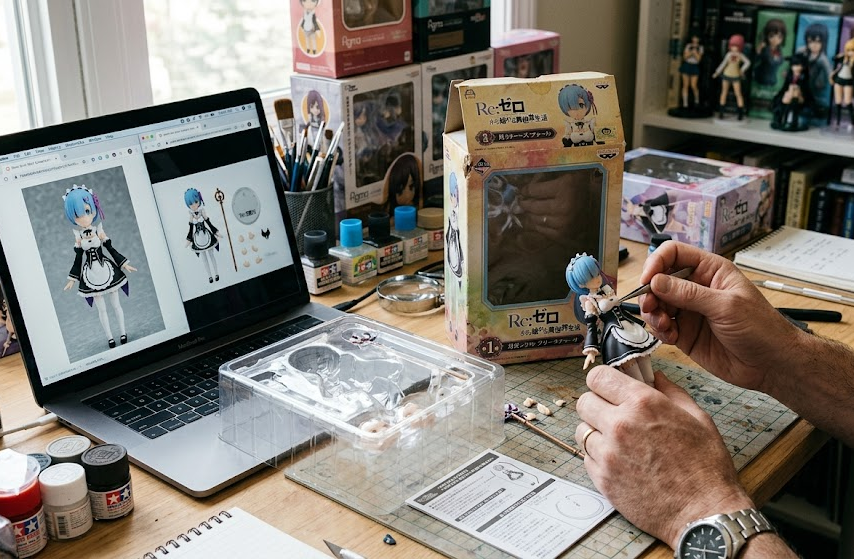
Authenticity and Condition Risks in the Aftermarket
This is where resale decisions stop being abstract. The aftermarket does not just change price. It changes what kind of mistake you can make.
A retail miss usually means delay. A bad aftermarket buy can mean overpaying for a fake, getting a damaged figure, receiving missing parts, or discovering that poor box condition hurts future resale value more than expected.
Check these details before paying resale prices
- seller reputation and sales history
- clear photos of the actual item, not only stock images
- front, back, seal, base, accessories, and manufacturer markings
- notes on damage, paint flaws, leaning, stickiness, or sun exposure
- exact statement on whether the box, blister, bonus parts, and inserts are included
If authenticity confidence is weak, stop there. It is usually better to lose a buying opportunity than to win a bad one. Our guides on how to tell if an anime figure is authentic before you buy and does box condition matter for anime figures are both worth checking before you commit.
Decision Checklist Before Paying Resale Prices
Use this yes-or-no checklist before you buy a sold-out figure on the aftermarket:
- Re-release odds: Do I have a concrete reason to think a re-release is unlikely?
- Collector demand: Has long-term demand stayed strong beyond the initial sell-out wave?
- Resale prices: Is the premium high but still tolerable for my budget and priorities?
- Authenticity risk: Do I trust the seller, photos, and item history?
- Box condition: Am I comfortable with the stated box and accessory condition if I ever resell later?
- Personal value: Would owning this specific figure matter enough to justify the premium even if prices soften later?
If you answer yes to most of these, aftermarket buying may be reasonable. If you answer no or not sure to several of them, waiting is usually the smarter move.
Final Recommendation
The best time to pay aftermarket prices is when the figure looks genuinely hard to reissue, the seller can verify authenticity, and the premium still fits your collecting priorities without wrecking the rest of your budget. In that narrow lane, aftermarket buying is not reckless; it is a conscious decision to pay for certainty and access.
In most other situations, waiting for an anime figure re-release is safer. It usually gives you lower risk, better item condition, and a stronger chance of paying something closer to retail instead of panic pricing.
Summary Takeaway
If scarcity looks temporary, wait. If scarcity looks durable and the listing is verified, buying resale can make sense. The smartest collectors do not ask only whether a figure is expensive; they ask whether the premium is buying real rarity or just buying relief from impatience.
FAQ
What is the anime figure aftermarket?
It is the secondary resale market for sold-out anime figures, where collectors buy from other collectors, resellers, or marketplaces after official retail stock is gone.
Should I buy a sold-out figure now or wait for a re-release?
Buy now only if re-release odds look low, authenticity is well verified, and the resale premium still feels acceptable for your budget. Otherwise, waiting is usually the lower-risk choice.
How do re-releases affect figure prices?
They often reduce resale pressure by restoring supply or expected future supply, which can bring prices down or at least stop further sharp increases.
Is paying resale worth it for rare anime figures?
It can be, but only when rarity appears durable, collector demand remains strong, and the listing is trustworthy enough that authenticity and condition risks are under control.