Licensed vs Unlicensed Anime Figures: What Collectors Need to Know
Collectors often hear the words licensed and unlicensed used like a simple good-versus-bad label, but the reality is more nuanced. The licensed vs unlicensed anime figures debate is really about how much certainty, consistency, and long-term confidence you want from a purchase. For some buyers, official licensing is a non-negotiable part of collecting. For others, the appeal of a design, sculpt style, or garage-kit aesthetic can outweigh the risks.
If you are trying to decide which route makes sense for your shelf and your budget, it helps to understand what licensing actually changes. It affects legality, manufacturing oversight, branding, quality consistency, resale confidence, and how the wider collector market perceives what you own.
This guide breaks down the licensed vs unlicensed anime figures differences in a practical, collector-focused way so you can make smarter buying decisions instead of relying on vague forum advice.
What Licensed and Unlicensed Actually Mean
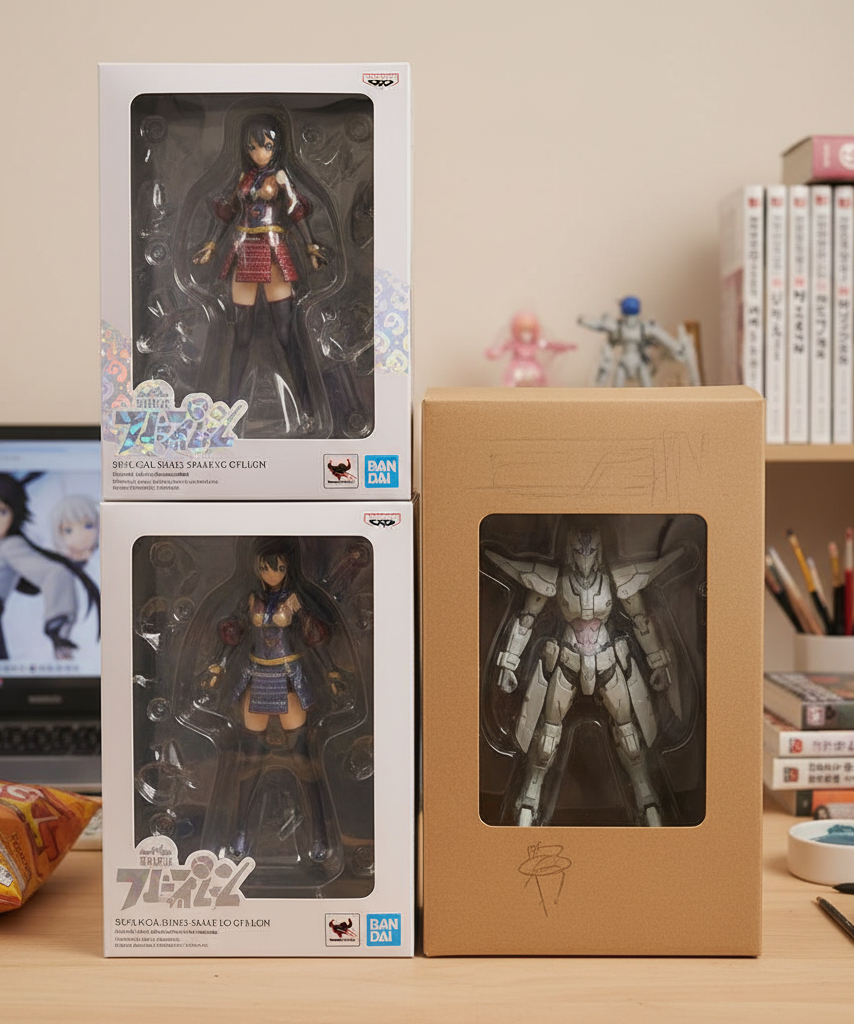
A licensed anime figure is produced and sold with formal approval tied to the intellectual property owner or authorized rights chain. That usually means the character, franchise, branding, and commercial release are backed by an agreement involving the relevant rights holder, publisher, or approved manufacturer.
An unlicensed figure does not have that same official approval path. Sometimes that means a fan-made garage kit, a resin statue from an independent studio, or a stylized interpretation made outside the official retail ecosystem. In other cases, it can overlap with legally risky or commercially gray products that borrow characters without formal permission.
That is why anime figure licensing matters so much: it is not just about whether the figure looks good in photos. It shapes how much trust you can place in the release itself.
A useful way to think about it is this:
- Licensed figures usually prioritize official distribution, recognizable manufacturers, and more predictable product standards.
- Unlicensed figures often appeal through unusual designs, niche character choices, dramatic scales, or collector scenes that official brands may never release.
The important nuance is that unlicensed is not automatically the same as bootleg, but it does remove a big layer of formal reassurance that collectors usually rely on.
How Licensing Affects Quality Control and Buyer Confidence
One of the biggest licensed vs unlicensed anime figures comparison points is quality control. Officially licensed products usually pass through clearer manufacturing and brand standards. That does not mean every licensed figure is perfect, but it does mean buyers generally have a more stable baseline for what to expect.
With licensed releases, collectors can usually verify:
- the manufacturer name
- the announced product line
- official promo photos
- release windows and distribution channels
- packaging details and branding consistency
That consistency matters because it lowers uncertainty. If you are buying an officially branded figure from a known line, you can compare seller photos, box details, sculpt quality, and finish expectations against existing references.
For example, buyers looking for officially branded releases often feel more confident starting with recognizable products such as this Banpresto original anime figure, because the brand and official-style product framing provide a clearer benchmark than a vague no-name listing.
Unlicensed pieces are different. Quality can range from impressive to disappointing, but the variance is wider. Some independent studios produce highly detailed collector pieces, while others leave buyers exposed to inconsistent paintwork, poor fit, weaker materials, or uncertain fulfillment. Without an official approval chain, the burden of verification shifts much more heavily onto the buyer.
That buyer-confidence gap is one of the main reasons licensed anime figures remain the safer default for collectors who care about consistency more than novelty.
Resale, Long-Term Value, and Collector Perception
If you care about secondary-market confidence, licensing matters even more. Licensed figures are generally easier to resell because other collectors can identify what the item is, where it came from, and how it fits into the market.
That gives licensed pieces several practical advantages:
- clearer brand recognition
- easier price comparison against past sales
- stronger trust in authenticity checks
- more predictable collector demand over time
Unlicensed pieces can still hold value, especially if they are from a respected independent studio or have limited availability, but resale becomes more complicated. Buyers may question:
- whether the piece was officially authorized
- how reliable the studio was
- whether the edition was consistently produced
- how future collectors will view the release
Collector perception also plays a big role. In many collecting circles, licensed figures are treated as the more secure long-term hold because they fit cleanly into recognized manufacturer and franchise histories. Unlicensed pieces may attract admiration for design or ambition, but they often carry more debate around legitimacy, ethics, and resale trust.
So if your collecting goal includes liquidity, documentation, and lower-friction reselling, licensed products usually offer the stronger position.
When Buyers Take On Extra Risk With Unlicensed Pieces
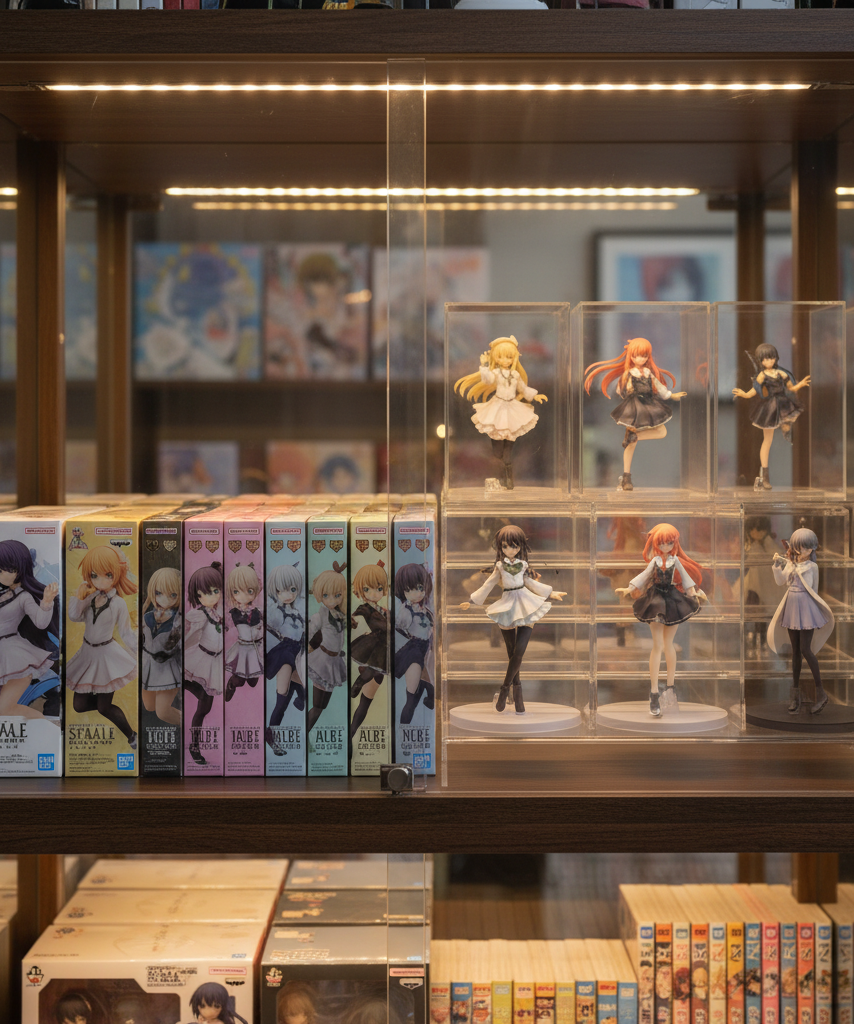
The main risk with unlicensed figures is not just legal ambiguity. It is the stacking of uncertainties around sourcing, quality, durability, after-sales support, and long-term collector confidence.
Buyers take on more risk with unlicensed pieces when:
- the seller cannot clearly explain the studio or release origin
- the figure has no reliable production trail
- listing photos are inconsistent or overly edited
- payment protection is weak
- shipping damage or replacement policies are unclear
- the product is marketed in a way that blurs the line between custom collectible and official release
This risk profile matters even more for collectors who shop internationally or buy from unfamiliar storefronts. Without strong verification habits, it becomes easier to overpay for something that does not match the expected sculpt, paint finish, scale, or material quality.
There is also a psychological risk. Many collectors enjoy the thrill of unique pieces, but regret tends to hit harder when a high-priced purchase arrives with weak finishing, questionable proportions, or poor packaging and there is no strong support path behind it.
That does not mean every unlicensed purchase is a mistake. It means unlicensed buying works best when the collector knowingly accepts the trade-off and has enough experience to evaluate the studio, seller, and piece on its own merits.
How to Decide Which Route Fits Your Collecting Goals
The better choice depends less on ideology and more on what you want from collecting.
Choose Licensed Figures if You Want Stability
Licensed figures are usually the better fit if you want:
- clearer authenticity benchmarks
- more reliable quality expectations
- stronger resale confidence
- easier manufacturer verification
- less stress when buying online
This route makes the most sense for newer collectors, gift buyers, and anyone building a collection around recognizable brands and lower-risk purchases.
Consider Unlicensed Figures if You Accept Higher Risk for Unique Appeal
Unlicensed pieces may still appeal if you prioritize:
- niche characters or scenes official brands ignore
- more dramatic or experimental sculpt directions
- collector-specific display concepts
- rare fan-driven aesthetics
But that route works best when you are prepared to do more research, tolerate more uncertainty, and treat each purchase as a case-by-case decision rather than assuming the usual safety net applies.
Use a Simple Decision Filter Before Buying
If you are stuck, ask yourself these five questions:
- Do I want the safest and most verifiable version of this character?
- Am I buying to display only, or do I also care about resale later?
- Can I verify the maker, release origin, and seller reputation?
- Would I still be comfortable with this purchase if support options were weak?
- Is the appeal of this piece strong enough to justify the extra uncertainty?
If your answers lean toward certainty, resale, and verification, licensed figures are usually the better route. If your answers lean toward uniqueness and display-first collecting, unlicensed pieces may still make sense—but only with your eyes open.
Final Thoughts on Licensed vs Unlicensed Anime Figures
Licensed vs unlicensed anime figures is ultimately a decision about confidence versus risk tolerance. Licensed releases usually give collectors a cleaner buying path, stronger quality expectations, and better long-term trust. Unlicensed pieces can offer originality and niche appeal, but they ask the buyer to absorb more uncertainty at every stage.
For most collectors, especially anyone still refining their buying instincts, licensed figures remain the more dependable option. If you want to browse official-style options with clearer brand signals before making your next purchase, the store’s anime figures collection is a more reliable starting point than a random marketplace listing.
The key is not to reduce the decision to a slogan. It is to match the type of figure you buy with the kind of collecting experience you actually want.