How to Tell If an Anime Figure Is Authentic Before You Buy
If you collect scale figures, prize figures, or limited releases, you already know the ugly side of the hobby: bootlegs are everywhere. Search results, marketplace listings, and even some “collector” shops can make a fake anime figure look completely legit at first glance. That is why a proper anime figure authenticity check should happen before you place the order, not after the box arrives.
The good news is that spotting a legit figure usually comes down to pattern recognition. Authentic products tend to leave a trail of consistency: official licensing, believable seller behavior, clean packaging details, realistic photos, and pricing that makes sense for the line. Bootlegs usually break that pattern somewhere.
This guide walks through how to tell if an anime figure is authentic before you buy, with a practical pre-purchase checklist you can use on product pages, marketplace listings, and secondhand offers.
Why Bootleg Risk Is Still Common in Anime Figure Shopping
Bootleg sellers thrive because demand moves faster than stock. Popular characters sell out, pre-orders close early, and collectors hate missing out. That creates the perfect opening for fake listings that promise rare figures at easy prices.
A few things keep the problem alive:
- **Sold-out demand:** When an official release becomes hard to find, collectors are more likely to accept weak listing details.
- **Marketplace anonymity:** Large marketplaces make it easy for bad sellers to open, rename, and rotate stores.
- **Photo theft:** Bootleg listings often reuse official promo shots or stolen collector photos, which makes low-quality products look real.
- **Price bait:** Buyers want deals, and scammers know that a suspiciously cheap figure is hard to ignore.
- **Mixed inventory shops:** Some sellers carry both authentic and questionable stock, which creates confusion.
That is why anime figure authenticity is rarely decided by one clue alone. You want to look for a cluster of signals. One missing logo may be a bad listing. Five weak signals usually mean you should walk away.
Start With the Manufacturer and License
The fastest authenticity filter is the product origin. Before you trust the listing, confirm that the figure should exist in the first place.
Check Whether the Figure Has a Real Official Release
Search the character name, figure line, and manufacturer together. A real release usually appears on one or more of these sources:
- the manufacturer website
- trusted hobby databases such as MyFigureCollection
- established hobby retailers with archived pre-order pages
- official distributor pages or event announcements
If you cannot find evidence that the exact figure was ever officially announced, that is a major warning sign. A lot of fake listings describe figures vaguely or blend details from multiple releases.
Verify the Manufacturer Name
Authentic figures are usually tied to known companies such as Good Smile Company, Kotobukiya, ALTER, Max Factory, MegaHouse, Aniplex, Banpresto, SEGA, Taito, Furyu, and others depending on the line. A listing that avoids naming the manufacturer, or uses awkward labels like “licensed studio version” or “anime PVC toy model,” deserves skepticism.
Confirm the Licensing Trail
A legit anime figure normally has a visible connection to the intellectual property owner. That can appear in listing photos, packaging shots, or manufacturer info. Look for licensing language related to the series publisher or production committee. If the page avoids showing licensing details entirely, your risk goes up.
Packaging, Logo, and Licensing Details to Inspect
Packaging is one of the easiest places to catch a fake before checkout, especially when the seller includes original box photos instead of just polished promo images.
Manufacturer Logos Should Look Clean and Consistent
Official boxes usually include:
- manufacturer logo
- series or brand line logo
- copyright and licensing text
- product code, barcode, or release labeling
- warning labels appropriate for the market
On authentic packaging, these details generally look sharp and deliberate. On bootlegs, you may see blurry printing, missing logos, strange spacing, washed-out colors, or random text blocks that feel copied rather than designed.
Look Closely at Copyright Text
Collectors often skip the tiny print, but bootleg makers make mistakes there all the time. Watch for:
- misspelled character or company names
- incomplete copyright lines
- missing year markers
- licensing text that looks too generic
- inconsistent fonts within the same panel
A proper anime figure authenticity guide always emphasizes this point because counterfeiters tend to focus on the big artwork and neglect the legal fine print.
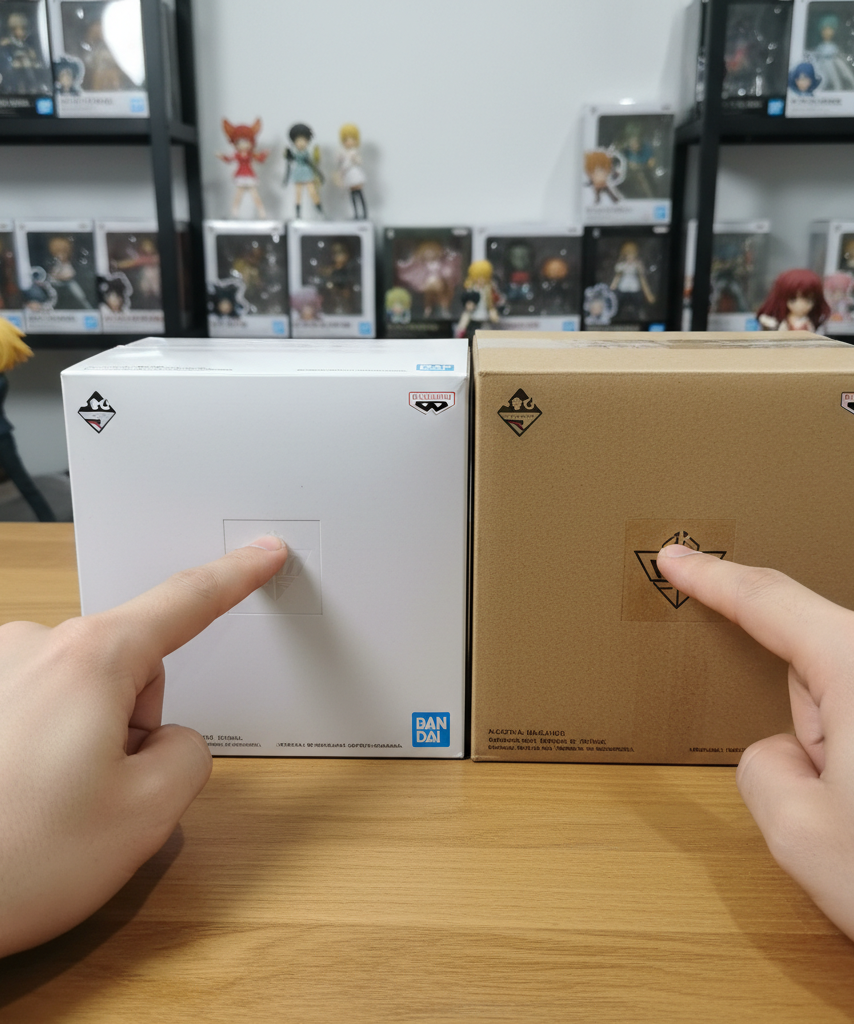
Compare Box Design Against Known Photos
If the figure is common enough, compare the listing box to photos from trusted stores or collector databases. Check:
- window shape and layout
- logo placement
- color balance
- accessory arrangement inside the blister
- base shape shown through the package
You are not looking for microscopic perfection. You are looking for whether the whole package matches reality.
How Seller Reputation Changes the Risk Level
Even a decent-looking listing can be dangerous if the seller is unreliable. In many cases, the seller is the strongest authenticity clue of all.
Trusted Specialty Stores Reduce Risk
Well-known hobby stores, official partner retailers, and established pre-owned figure shops usually have more to lose by selling fakes. They also tend to understand figure lines better, write clearer condition notes, and show more accurate product details.
That does not mean every unknown store is bad. It means your burden of proof changes. If the shop has no collector reputation, you need stronger evidence from the listing itself.
Marketplace Feedback Needs Context
A seller with thousands of positive ratings is not automatically safe. Read the feedback profile with specific questions in mind:
- Are they rated for anime figures specifically?
- Do recent reviews mention authenticity issues?
- Are complaints about damaged boxes, wrong items, or low-quality materials increasing?
- Does the store name keep changing?
Generic positive feedback from unrelated product categories is not enough.
Return Policy and Contact Transparency Matter
A legit seller usually makes returns, shipping origin, and contact information reasonably visible. Bootleg-focused sellers often hide behind vague policies, slow communication, or contradictory warehouse claims.
If a listing says the item ships from one country, but the seller profile and response details suggest another route entirely, pause and investigate.
Price, Photos, and Listing Signals That Should Make You Pause
This is where most pre-purchase mistakes happen. Buyers see a rare figure, a low price, and a decent thumbnail, then convince themselves the risk is worth it.
If the Price Looks Too Good, It Usually Is
Authentic figures have rough market boundaries. Prices move, but not randomly. If a figure commonly sells for $180 and one seller offers it new for $49.99, you are probably not looking at a miracle bargain.
Suspicious pricing is even more important for:
- sold-out scale figures
- convention exclusives
- older Nendoroids with strong aftermarket demand
- premium resin-adjacent collector items being misrepresented as PVC figures
A good anime figure authenticity test always includes a market comparison step. Check several trusted stores and recent resale listings before deciding whether a price is believable.
Official Promo Photos Alone Are Not Enough
A listing that uses only clean manufacturer photos tells you almost nothing about the actual unit in stock. For in-hand items, ask for real photos showing:
- front and back of the box
- close-ups of logos and copyright text
- seals or tape condition when relevant
- blister tray and accessories for opened items
- the figure base and sculpt details
If the seller refuses to provide real photos, especially for a supposedly in-stock item, that is a bad sign.
Watch for Listing Language That Feels Evasive
Certain phrases appear often in risky listings:
- “high quality version”
- “China version”
- “same factory”
- “no box to save shipping”
- “collector gift model”
- “unbranded but perfect quality”
Those phrases do not prove a fake by themselves, but they often signal that the seller is trying to avoid saying “bootleg” directly.
Physical Quality Clues You Can Predict Before Buying
You cannot inspect paint or plastic in person before checkout, but listing photos can still reveal likely quality issues.
Sculpt and Paint Consistency
Authentic figures typically show cleaner edge separation, more controlled facial printing, and better support-piece finishing. Suspicious photos may reveal:
- muddy eye printing
- flat skin tone
- heavy seam visibility
- sloppy shading
- warped accessories
- unstable leaning poses on poor bases
Bootlegs are often easiest to spot on faces, hands, and small accessories because those details are harder to fake convincingly.
Base Design and Accessories
Counterfeit figures sometimes simplify the base, omit support parts, or slightly change accessory shapes to reduce cost. Compare what is included in the listing against known official contents.
If the official release came with interchangeable parts, effect pieces, or a distinctive base and the listing feels strangely bare, investigate further.
A Quick Authenticity Checklist Before Placing an Order
Use this checklist every time you are about to buy from an unfamiliar listing.
Pre-Purchase Checklist
- Confirm the figure had a real official release.
- Match the manufacturer name to trusted sources.
- Check whether licensing and copyright details appear legitimate.
- Compare the box design with known authentic photos.
- Review seller feedback specifically for anime figure sales.
- Check shipping origin, return policy, and contact transparency.
- Compare the price against normal market range.
- Ask for real in-hand photos if the figure is listed as in stock.
- Watch for evasive wording like “China version” or “high quality version.”
- If multiple signals feel wrong, skip the order.
Best Rule: Do Not Buy Under Pressure
Scarcity is what fake sellers exploit best. If you feel rushed by low stock warnings, countdown timers, or fear of missing a grail, step back. Legit figures come and go, but a bad buy usually costs more than waiting.
Final Thoughts
If you want to know how to tell if an anime figure is authentic before you buy, the answer is simple: do not trust any single signal. Trust the pattern. A real figure listing usually has a believable manufacturer trail, proper licensing clues, seller credibility, normal pricing, and photos that hold up under scrutiny.
When a listing fails that pattern, you do not need to prove it is fake in court. You just need enough reason not to risk your money. In anime figure collecting, passing on a sketchy listing is often the smartest purchase decision you can make.